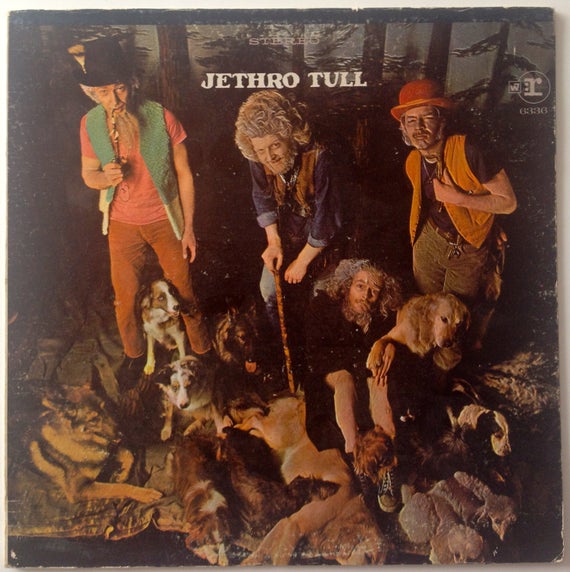
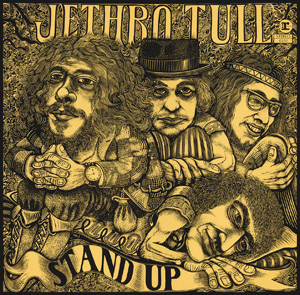

Jethro Tull's discography is structured in cycles of three albums:
a theory
Here I am going to elaborate on a music theory about the British progressive rock band Jethro Tull. You may know them from radio hits such as "Aqualung" or "Locomotive Breath" but there was a whole lot more to the band than that. They were an extremely prolific band that churned out basically an album per year for the first decade of their existence and they didn't slow down that much after that. In fact they are still putting out records today.
Given the sheer amount of music they put out and the often obtuse and complex nature of their prog-rock aesthetic, navigating their discography can be a little daunting. Luckily their output abides by a simple logic, or so I will argue. My theory is that Jethro Tull's albums abide by the age-old rule of threes. Every three albums form a loose stylistic and thematic trilogy - often times this will coincide with a given instantiation of the band's lineup, which did change frequently (flautist/guitarist/singer/songwriter/front-man Ian Anderson is the only true mainstay, with lead guitarist Martin Barre being one of the most enduring sidemen).
In order to prove this theory, I will give a brief overview of all of their albums in succession and explain what is common between each trilogy of albums.
please note I am only considering their main studio releases, not live albums or compilations!!!!
TRILOGY NUMBER ONE: THE BLUES-ROCK YEARS (1968-1970)
This Was (1968)
Stand Up (1969)
Benefit (1970)
These first albums are characterized by their relatively simple, blues-based musical style. True, the later two albums do have some glimmerings of psychedelia and prog-rock, especially in their jazz-funk cover of J.S. Bach's "Bourée." Only the first album, which has a different lead guitarist, can be described as a full-on blues rock record. But these albums lack the conceptual underpinnings of the albums that would immediately follow, and they are far and away the most straightforward music that the band would put out. Ian Anderson's vocal style is darker and less whimsical than it would soon become as well. If you like your Tull earthy and straightforward, these are the albums for you.
TRILOGY NUMBER TWO: THE PROG-ROCK CONCEPT ALBUMS (1971-1973)
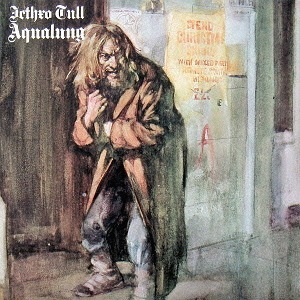
Aqualung (1971)
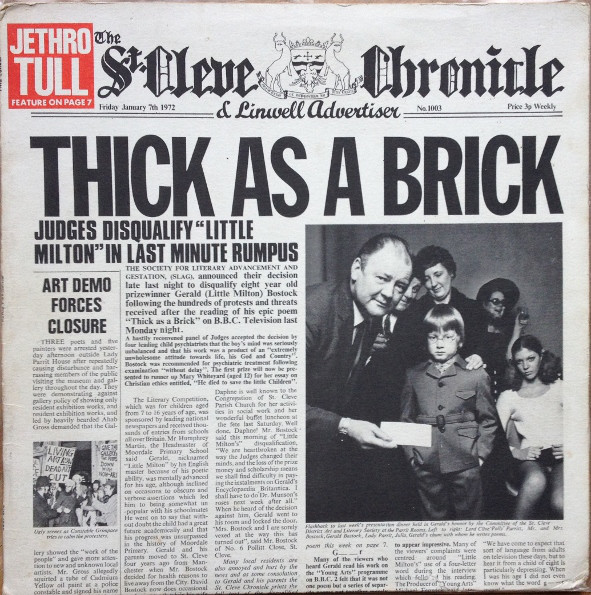
Thick as a Brick (1972)
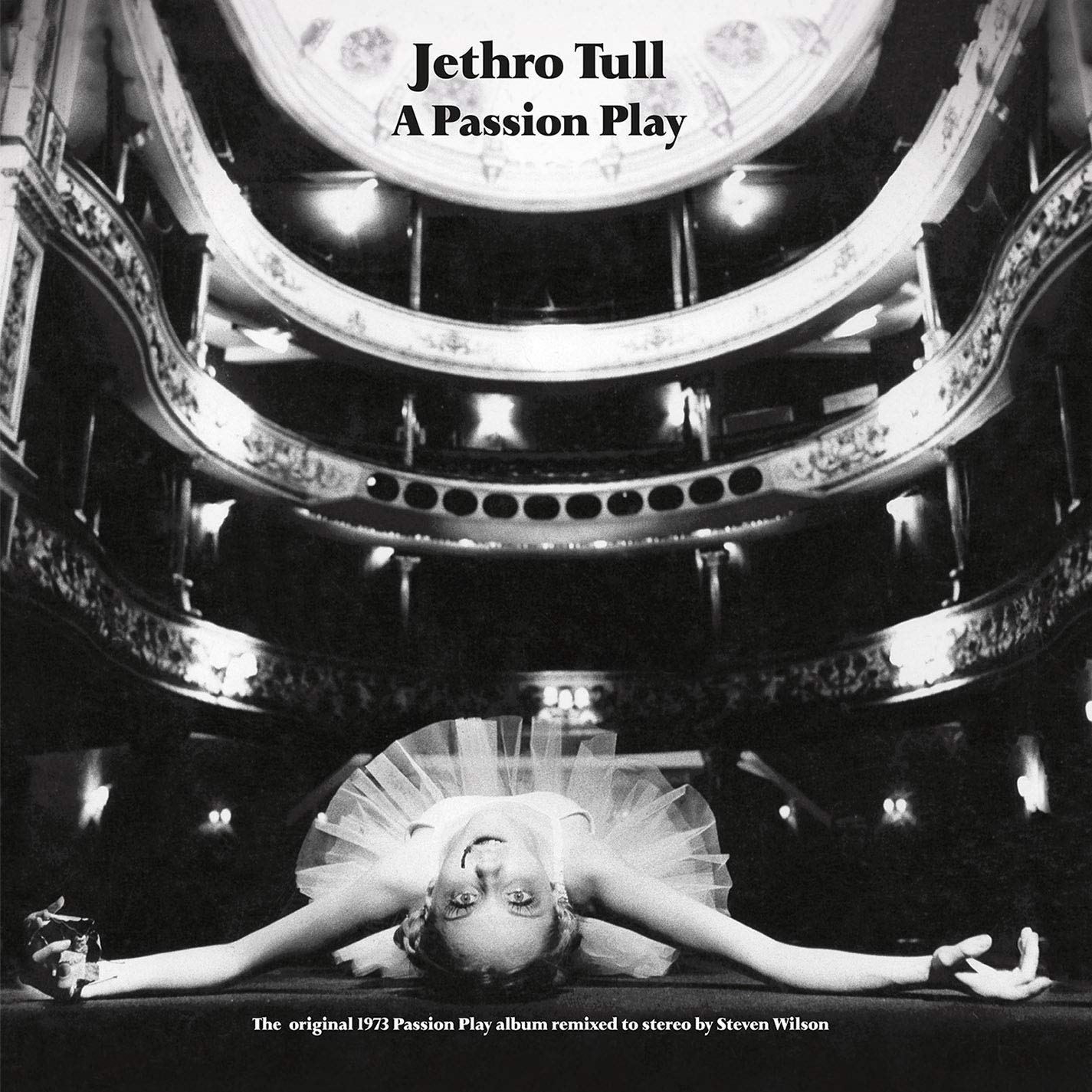
A Passion Play (1973)
This is probably the most famous instantiation of Jethro Tull. Here is high-concept Tull writing and recording during the heydey of progressive rock. Thick as a Brick and A Passion Play are full-fledged concept albums that string together a bunch of song fragments into a continuous suite, with recurring themes both lyrical and musical. Aqualung is structured like a more traditional album but each side adheres to a loose theme - it is at least as conceptual as Sgt. Pepper but not by any means a rock opera on the level of Tommy or The Wall. Musically speaking we have Tull's signature blend of mainstream hard rock and British folk, with a heavy dose of classical influences as well. Folkier Tull seems to have aged best comparatively speaking.
TRILOGY NUMBER THREE: PROG ROCK PART TWO (much shittier) (1974-1976)
War Child (1974)
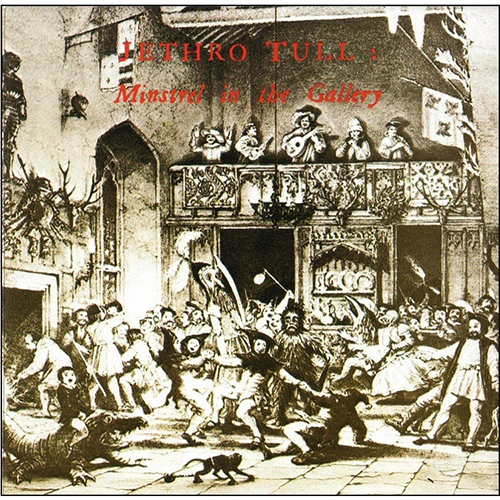
Minstrel in the Gallery (1975)
Too Old To Rock'n'Roll, Too Young to Die (1976)
These records retain the basic music approach of the previous trilogy but are much less musically ambitious from the standpoint of album unity. Warchild is basically a bunch of "A Passion Play" outtakes and so some might argue that it belongs with that album. However, I think it makes sense to join these three albums together because they represent a decline in Tull's relevance and overall quality of output. Minstrel is probably my favorite of the bunch cuz it has some pretty folks on it but a lot of these albums sound like ass.
TRILOGY NUMBER FOUR: FOLK ROCK (1977-1979)
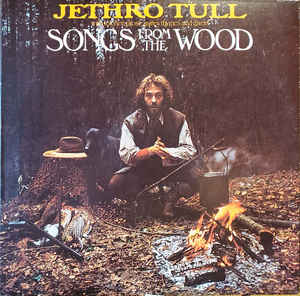
Songs of the Wood (1977)
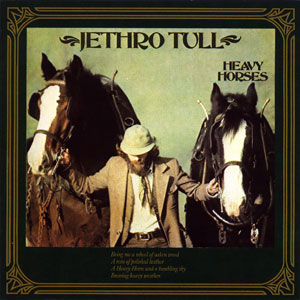
Heavy Horses (1978)
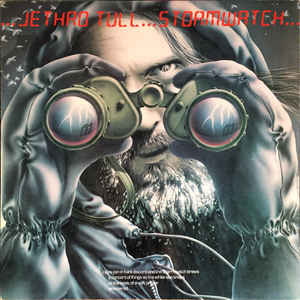
Stormwatch (1979)
All three of these records mark a self-conscious departure for Tull, leaning much heavier than ever into British folklore both musically and lyrically. There are still plenty of prog-tastic moments, and still plenty of hard rock - the basic ingredients haven't changed but the balance between them leans harder than ever on the folk territory. If you like your Tull whimsical and at its most British, these are sure to be your favorites. Heavy Horses is the most consistent of the three, and Stormwatch is the weakest. This also marks a high point for the band in terms of facial hair - every member of the band appeared to sport a heavy, masculine beard, something which is hinted at in the album covers.
That's it for now. 
Be sure to check back for:
The Synth-Rock Trilogy (1980-1984)
The Hard Rock Trilogy (1987-1993)
The Elder Statesmen Trilogy (1994-2003)